


How Global Regulations Are Shaping the Future of Clean Beauty
flareAI
You May Also Like
-

Discovering Self-Love Through Clean Beauty: A Guide to Nurturing Your Inner and Outer Self
In the journey of self-love, every action, thought, and choice we make towards ourselves can be a powerful affirmatio...
-

The Science Behind Organic Makeup and Pregnancy: A Gentle Choice for Moms-to-Be
wp:paragraph Pregnancy is a wonderful and exciting journey that comes with added responsibilities of ensuring the ...
-

Liht Organics Black Friday: Enhance Your Beauty Routine with Vegan, Organic, and Natural Essentials!
As the holiday season approaches, there’s a sparkle in the air, and we at Liht Organics are thrilled to add a touch o...
-
![[FEATURE] - Nerissa Polke: The Woman Behind A Clean Beauty Transformation](//www.lihtorganics.com/cdn/shop/articles/gulf_1_d88dd2bc-1ead-4274-81e0-c6bf9d4b9ccc.webp?v=1777007759&width=170)
[FEATURE] - Nerissa Polke: The Woman Behind A Clean Beauty Transformation
Nerissa Polke is an entrepreneur, award winning corporate leader, and the founder and chief executive officer of Liht...
-
![[FEATURE] - Liht Organics Founder Interview: Nerissa Polke on Motherhood, Clean Beauty, and Resilience](//www.lihtorganics.com/cdn/shop/articles/BI_Sg.png?v=1776921703&width=170)
[FEATURE] - Liht Organics Founder Interview: Nerissa Polke on Motherhood, Clean Beauty, and Resilience
In Singapore, life often moves at full speed. Between rushing to work, caring for family, and trying to carve out a l...
-
![[FEATURE] Liht Organics Strengthens Global Travel Retail Ambitions](//www.lihtorganics.com/cdn/shop/articles/3_1_bb2b6ed3-6832-4413-8c7e-a4f51a9dd317.png?v=1774855355&width=170)
[FEATURE] Liht Organics Strengthens Global Travel Retail Ambitions
Liht Organics strengthens global travel retail ambitions with new US facility and expanding travel retail distributio...
-
![[FEATURE] Liht Organics to debut at TFWA Asia Pacific show](//www.lihtorganics.com/cdn/shop/articles/1_1.png?v=1759328400&width=170)
[FEATURE] Liht Organics to debut at TFWA Asia Pacific show
‘Organic makeup that’s safe enough to eat’ — Liht Organics to debut at TFWA Asia Pacific show by Hannah Tan | 24 Apri...
-
![[FEATURE] The Singapore-based organic makeup brand is a first-time exhibitor at this year’s TFWA Asia Pacific Exhibition in Singapore in May 2025](//www.lihtorganics.com/cdn/shop/articles/2_1.png?v=1759328386&width=170)
[FEATURE] The Singapore-based organic makeup brand is a first-time exhibitor at this year’s TFWA Asia Pacific Exhibition in Singapore in May 2025
TFWA Asia Pacific preview: Liht Organics targets expansion in travel retail By DFNI Staff Writer The Singapore-bas...
-
![[FEATURE] Travel Retail Awards 2025 finalists - Best Make-up Product Color-Intense Liquid Lipstick – Liht Organics](//www.lihtorganics.com/cdn/shop/articles/4_e2f54f0f-fcd1-46e7-9990-fc9d29e35131.png?v=1759328382&width=170)
[FEATURE] Travel Retail Awards 2025 finalists - Best Make-up Product Color-Intense Liquid Lipstick – Liht Organics
Revealed: Travel Retail Awards 2025 finalists By Trbusiness Editor | Wednesday, 23 July 2025 15:21 TRBusiness is th...
-
![[FEATURE] Liht Organics targets expansion in travel retail](//www.lihtorganics.com/cdn/shop/articles/3_1.png?v=1759328346&width=170)
[FEATURE] Liht Organics targets expansion in travel retail
Organic makeup that’s safe enough to eat: Liht Organics targets expansion in travel retail By Laura Shirk Liht Organ...
-

[FEATURE] Gulf News: TikTok’s strawberry girl makeup trend: How to achieve that rosy glow inspired by Hailey Bieber
Berry, berry, strawberry, love strawberry, like BTS’s J-Hope, the band’s strawberry enthusiast once said. If only we ...
-
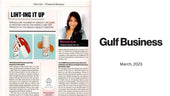
[FEATURE] Gulf Business Magazine : Liht-ing it up
Our founder, Nerissa Low was interviewed by Gulf Business, where she discussed her experience launching Liht, an orga...
-

[FEATURE] Daily Vanity: 11 local beauty brands owned by women – you’d be surprised how many of them started in their kitchens!
When we give a shout-out to homegrown beauty businesses, we aren’t just doing it for the sake of supporting local. Th...
-

[FEATURE] Entrepreneur ME : UAE-Based Liht Organics' Nerissa Low On Crafting An Organic Makeup Brand For The Skin-Conscious Consumer
As is the case with the origin stories of so many startups out there, Liht Organics came into being after its founder...
-

Mother, Baby & Child Editor’s Pick: Liht Organics Lights the Way
Excited to be the Mother, Baby & Child’s ‘Editors pick’ for their choice of Beauty brand.The article outlined the...
-

[FEATURE] EmiratesWoman - 8 Fabulous things to do in Dubai this weekend
by SARAH JOSEPHJANUARY 20, 2023Try the UAE’s first virtual reality makeup podium The popular VR-backed makeup exper...
-

Nerissa Low of Liht Organics On The Self-Care Routines & Practices Of Busy Entrepreneurs and Business Leaders
By Maria Angelova, CEO of Rebellious Intl.Date: 4 January, 2023Nerissa Low of Liht Organics On The Self-Care Routines...
-

Liht Organics: Meet the beauty brand that has caught the eye of the Royal Family of Bahrain
By Crystal Lee Digital Editor28 May 2021The world of clean beauty is, ironically, rather murky.That’s because the ter...
-

The latest luxury makeup and skincare drops, including serums, concealers, moisturisers and more
Allisa Noraini21 May, 2021It’s fine to splurge in the name of beauty. This new range of makeup and skincare drops are...
-

These SG Beauty Bosses Are Conquering The World Despite The Pandemic
First Singapore, then the US, China, Germany, Dubai, UK, South Korea, Malaysia, Hong Kong, Thailand, Australia… By...
-

Nerissa Low, Founder at Liht Organics
Written by Callum LaingPosted on December 26, 2020 10 min readNerissa Created Organic Makeup That Actually Improve...
-

Liht Organics – Makeup That Makes You
At Liht Organics, our mission is simple – to provide women (and men) with a safe experience when it comes to beauty s...
-

Why Should We Use Organic Makeup?
We cannot deny that cosmetics is one of our beauty essential item – it enhances our looks and conceals our flaws. Man...
-

Organic makeup and why your skin will love it: Liht Organics founder
By Jolene,July 27, 2020 |7 mins readOrganic make up in Singapore is a trend that is fast-catching on here as we becom...
-

[FEATURE] DC EDIT – Makeup & Confidence: Talking Self-love With Liht Organics’ Founder Nerissa Low
Makeup and confidence — the long, drawn-out fight that many of us have grappled with personally. I’m sure I’m not the...
-
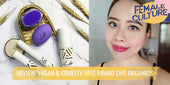
[FEATURE] THE FEMALE CULTURE – I TRIED LIHT ORGANICS AND THIS IS HOW IT WENT
I’m a huge fan of makeup and I love testing out new products so I was pretty excited to get my hands on Liht Organics...
-

[FEATURE] SINGAPORE MOTHERHOOD – The Best Organic and Natural Skincare and Makeup for Pregnant and Breastfeeding Mums in Singapore
Pregnancy is a hormone-volatile period for women. One place where this makes itself seen and felt is on the skin. Som...
-

[FEATURE] AFTER CLINIC HOURS – 21 Back to Beauty Deals in Singapore (2020)
With spas and salons shuttered island wide for two months, I never thought I’d be this desperate for a good old’ Swed...
-

[FEATURE] KUL AL USRA MAGAZINE JUNE 2020
Choosing Pinks & Oranges this summer!Featured: Moisture Burst Lip Glaze in Pink Cupcake.
-

[FEATURE] Award-winning Organic Makeup Brand Liht Organics Gives Back to the Community & Environment During COVID-19
Singapore’s First Organic Makeup Brand with 100% Natural Makeup That Is Safe Enough to Eat Liht Organics promises org...
-
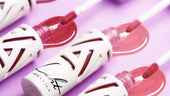
[FEATURE] COSMETICS DESIGN ASIA – COVID-19 ‘WAKE-UP CALL’: SINGAPORE’S LIHT ORGANICS SEES GLOBAL POTENTIAL AMID CLEAN BEAUTY CLAMOUR
Original article at: https://www.cosmeticsdesign-asia.com/Article/2020/06/26/Singapore-s-Liht-Organics-sees-globa...
-

[FEATURE] THE LIFESTYLE COLLECTIVE – BEAUTY SHOULD NEVER BE CRUEL
Date: June 24, 2020Author: Kristen Chen Liht (pronounced as light) Organics is a Singaporean organic makeup brand t...
-

[FEATURE] NÜYOU – 7 ONLINE PLATFORMS TO SHOP FOR CLEAN BEAUTY PRODUCTS
纯净美容(Clean Beauty)的美肤概念,再近几年来越来越受欢迎。随着消费者“爱自己”的美容意识逐步提升,对于用在脸上的所有物品、成分更为关注和讲究。以广义来讲,纯净美容主张使用“干净”成分和无毒配方,让肌肤的可能性损伤减到最小...
-

[FEATURE] COSMOPOLITAN MIDDLE EAST – 3 BENEFITS OF SWITCHING TO ORGANIC BEAUTY PRODUCTS THIS RAMADAN
By Cosmo – May 08, 2020Nerissa Low, founder of Liht Organics, shares the ultimate benefits of going organic this mont...
-

Nerissa Low of Liht Organics: “Seeing Light at the End of the Tunnel; 5 Reasons To Be Hopeful During this Corona Crisis”
Ely Weinschneider, Psy.D.May 8 · 9 min read …It shows us that everyone- whether we are rich or poor, regardless...
-

[FEATURE] AL MARA MAGAZINE APRIL 2020
-

[FEATURE] RetailME April 2020 – Liht Organics Stays Firm On Strengthening GCC Presence
-

[FEATURE] EMARAT AL YOUM NEWSPAPER – 27 MARCH 2020
English Translation:In spring and summer days, women love to have very light makeup in terms of color and texture, ...
-
[ARTICLE] WKND Magazine March 2020 – Know Your Organic Makeup
-
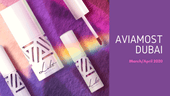
[FEATURE] AVIAMOST DUBAI – March/April 2020
English Translation:Lipstick with organic flowers. Thanks to the rich complex of natural ingredients, the lipstick...
-

[FEATURE] RUSSIAN EMIRATES (MAR/APR ISSUE)
Russian Emirates is a luxury lifestyle and fashion magazine covering information about the UAE, fashion, beauty, j...
-

[FEATURE] – KUL AL USRA MAGAZINE MARCH 2020
GET THE LOOK!
-

[FEATURE] IMAGES Retail ME – Liht Organics Announces GCC-Wide Expansion
Rupkatha Bhowmick Mar 10, 2020 The plan is to reach 75 Liht Organics retail touchpoints by June-July 2020 and touch...
-

[FEATURE] BABY & CHILD SPRING 2020 – NATURAL BEAUTIES
-

[FEATURE] AWQAT DUBAI – Liht Organics: The First Premium Organic Makeup Brand
ENGLISH TRANSLATION:Liht Organics – The First Premium Organic Makeup Brand Liht Organics, a premium organic beauty ...
-

[FEATURE] FRIDAY MAGAZINE – THE RETRO EYELINER LOOK
-

[FEATURE] MOTHER BABY & CHILD – VANITY ESSENTIALS – THE BEAUTY EDIT
-

[FEATURE] Masala! Magazine February/March 2020 Issue – Beauty Debut: Liht Organics
-

[Feature] – TimeOut Singapore – The Best Local Beauty and Skincare Brands In Singapore
For full article, click here.
-

[FEATURE] KUL AL USRA MAGAZINE – LIHT UP YOUR WORLD WITH LIHT ORGANICS
[ENGLISH TRANSLATION]Liht Up Your World With Liht OrganicsThe First Premium Organic Makeup Brand To Debut In The Mi...
-

[FEATURE] SINGAPORE TATLER – 9 Local Beauty Brands You Should Know Of
-

[FEATURE] nüyou August 2019 Issue – 15 Faces To Watch
-
[FEATURE] HONEYCOMBERS – Local Beauty Gurus: Singapore Beauty Brands You Need To Know About
-

Romantic Organic Makeup Looks for Valentine's Day: Tips, Tricks, and Product Picks
Valentine's Day is the perfect occasion to embrace the beauty of organic makeup. At Liht Organics, we believe in the ...
-

Enhance Your Eyes: A Guide to Eyeliner for Every Eye Shape with Liht Organics
Welcome to the Liht Organics blog, where we believe in celebrating the natural beauty of every eye shape. Today, we'r...
-

How to do makeup with only lipstick?
At Liht Organics, we believe in the power of clean beauty and the artistry of makeup. Makeup is more than just enhanc...
-

How to Clean Your Makeup Brushes in 6 Simple Steps
Cleaning your makeup brushes may seem like a tedious task, but it's an essential part of your beauty routine. Not onl...
-

Makeup Tips to Help You Look Your Most Flattering on Virtual Meetings!
After more than 2 years of work-from-home arrangement, and possibly hundreds of zoom calls and Google meet virtual me...
-
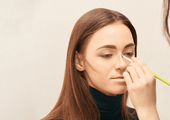
Learn How to Contour with This Simple Guide for Beginners
Want to take your makeup to the next level? Try contouring to achieve a more defined or sculpted look à la the Kardas...
-

Essential and Easy Makeup Tips for Sensitive Skin
Living with sensitive skin conditions like eczema, psoriasis, and more is already not an easy feat. Throw in makeup t...
-

Raising Your Vibration: A Liht Organics Guide for Empowerment This International Women's Day
wp:paragraph As International Women's Day (IWD) approaches, it serves as a powerful reminder of the journey towards s...
-

The Beauty of Going Bare: Why Sleeping with Makeup is a No-No
Have you ever had one of those nights where you're too tired to clean off your makeup? You might believe, "Skipping...
-

Breast Cancer Awareness: Empower Your Beauty with Liht Organics Makeup
During October, we observe Breast Cancer Awareness Month as a way to unite and bring attention to breast cancer whil...
-

The Hidden Dangers of Carmine in Makeup Colorants: Embracing Healthier and Vegan Options
Makeup has become an integral part of our daily routines, allowing us to express our unique beauty. However, as we pr...
-

How can I ensure that my makeup products are organic and won't harm my skin?
When it comes to makeup, it’s important to be mindful of what you’re putting on your skin. With so many products on t...
-

[FEATURE] HONEYCOMBERS – BEST BEAUTY BUYS IN JULY
by Nicole NithiyahWhat’s hot in our beauty hit list: Honest thoughts and top beauty stories we’re swooning over. As w...
-

Liht Organics Introduces Exclusive Gift Sets: Enhance Your Beauty This Festive Season!
As the holiday season approaches and the year draws to a close, Liht Organics is thrilled to present two enchanting g...
-

Get Spooktacular with the Best Halloween Makeup Ideas using Liht Organics' All-Natural, Vegan, and Cruelty-Free Cosmetics!
With Halloween just around the corner, it’s time to let your creativity shine and transform yourself into a spooky,...
-

Celebrating World Animal Day with Liht Organics: Embracing Natural Cruelty-Free Makeup
wp:paragraph As we observe World Animal Day, the team at Liht Organics takes great pride in honoring our pledge to...
-

Reasons Why You Should Choose Cruelty-Free Cosmetics Instead!
With increasing exposés unveiling the ugly truth behind animal testing that goes on in the beauty industry, it is lit...
-

Celebrate Singles Day with Makeup That Empowers – 22% Off at LIHT Organics!
This Singles Day, treat yourself to beauty that goes beyond skin-deep. At LIHT Organics, we believe makeup is about s...
-
Preparing for the Cozy Beauty of Autumn: A Preview of Your Fall Look
As we bid farewell to the warm, sun-kissed days of summer, it’s never too early to start dreaming about the enchantin...


![[FEATURE] - Nerissa Polke: The Woman Behind A Clean Beauty Transformation](http://www.lihtorganics.com/cdn/shop/articles/gulf_1_d88dd2bc-1ead-4274-81e0-c6bf9d4b9ccc.webp?v=1777007759&width=170)
![[FEATURE] - Liht Organics Founder Interview: Nerissa Polke on Motherhood, Clean Beauty, and Resilience](http://www.lihtorganics.com/cdn/shop/articles/BI_Sg.png?v=1776921703&width=170)
![[FEATURE] Liht Organics Strengthens Global Travel Retail Ambitions](http://www.lihtorganics.com/cdn/shop/articles/3_1_bb2b6ed3-6832-4413-8c7e-a4f51a9dd317.png?v=1774855355&width=170)
![[FEATURE] Liht Organics to debut at TFWA Asia Pacific show](http://www.lihtorganics.com/cdn/shop/articles/1_1.png?v=1759328400&width=170)
![[FEATURE] The Singapore-based organic makeup brand is a first-time exhibitor at this year’s TFWA Asia Pacific Exhibition in Singapore in May 2025](http://www.lihtorganics.com/cdn/shop/articles/2_1.png?v=1759328386&width=170)
![[FEATURE] Travel Retail Awards 2025 finalists - Best Make-up Product Color-Intense Liquid Lipstick – Liht Organics](http://www.lihtorganics.com/cdn/shop/articles/4_e2f54f0f-fcd1-46e7-9990-fc9d29e35131.png?v=1759328382&width=170)
![[FEATURE] Liht Organics targets expansion in travel retail](http://www.lihtorganics.com/cdn/shop/articles/3_1.png?v=1759328346&width=170)


